Iași and northern Romania: a green, affordable road trip
A northern Romania road trip from Iași: painted monasteries, a steam train, a big dam lake, castles and cheap markets. Day by day, with stays and car rental.
Northern Romania is one of the greenest and cheapest regions in Europe, and still few Israelis know it. The easiest place to start is Iași, Romania's second-largest city and the cultural center of the Moldavia region. You land in Iași, rent a car and set out on a loop that takes in painted monasteries, an old steam train, a big lake and dam, castles and cheap markets. The route suits couples, families and groups of friends, and it's easy to stretch or shorten to fit your time.
Why Iași and northern Romania
- Wizz Air flies direct from Tel Aviv to Iași, a flight of about three and a half hours. If your dates are flexible and you avoid the holidays, you'll usually find good fares.
- Prices in the region are lower than in Western Europe for almost everything: food, accommodation, fuel and shopping.
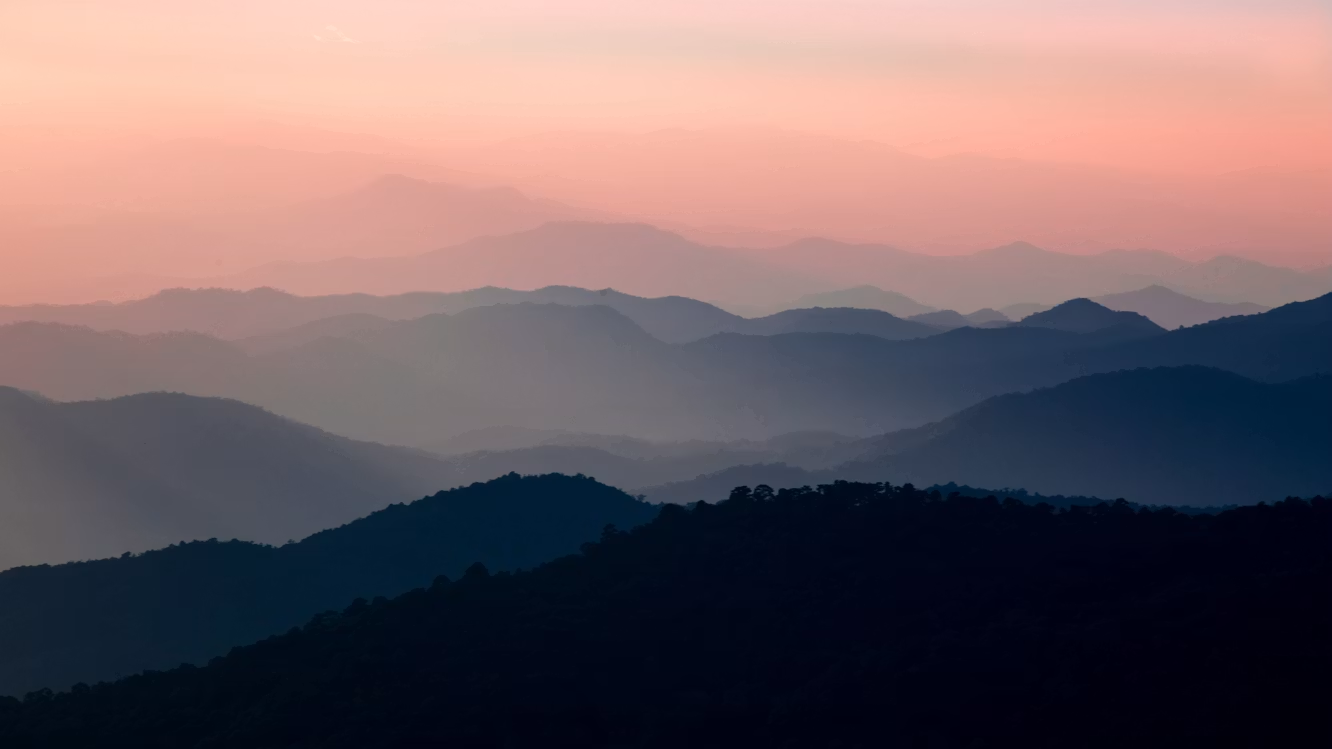
- The landscape is green and cool. Forested hills and the Carpathian Mountains keep the weather pleasant even in summer, which makes it a good alternative to Germany's Black Forest at a completely different price.
- The region is still quiet and authentic, with less mass tourism.
Iași: where to start
Iași is attractive and well kept, and many visitors find it more pleasant than Bucharest. The city's symbol is the Palace of Culture (Palatul Culturii), a neo-Gothic building with hundreds of rooms that houses four museums: history, ethnography, art, and science and technology. You can also climb the clock tower for a view over the city. For a few hours with kids, Copou Park has lawns, playgrounds and a relaxed atmosphere. The historic center is compact and easy to walk, with cafes and restaurants at friendly prices.

Day 1: landing and getting to know Iași
Pick up the rental car at the airport and check in to a hotel in the center. Give the first day to the city itself: the Palace of Culture, the historic center and a relaxed finish in Copou Park. If there's time left, the Palas complex next to the palace combines gardens, cafes and shopping.
Day 2: castles west of Iași
A short drive west of the city, two castles are worth a full day. Sturdza Castle in the village of Miclăușeni, about 65 kilometers from Iași, is neo-Gothic, with turrets and a moat, and looks a lot like the Palace of Culture. Not far away, the neoclassical Ruginoasa Palace was once the summer home of Alexandru Ioan Cuza, the first leader of united Romania, and is now a museum. Together the two tell a whole chapter of Moldavian history, and kids love the feel of a real fortress.

Day 3: on to Bucovina and the first monastery
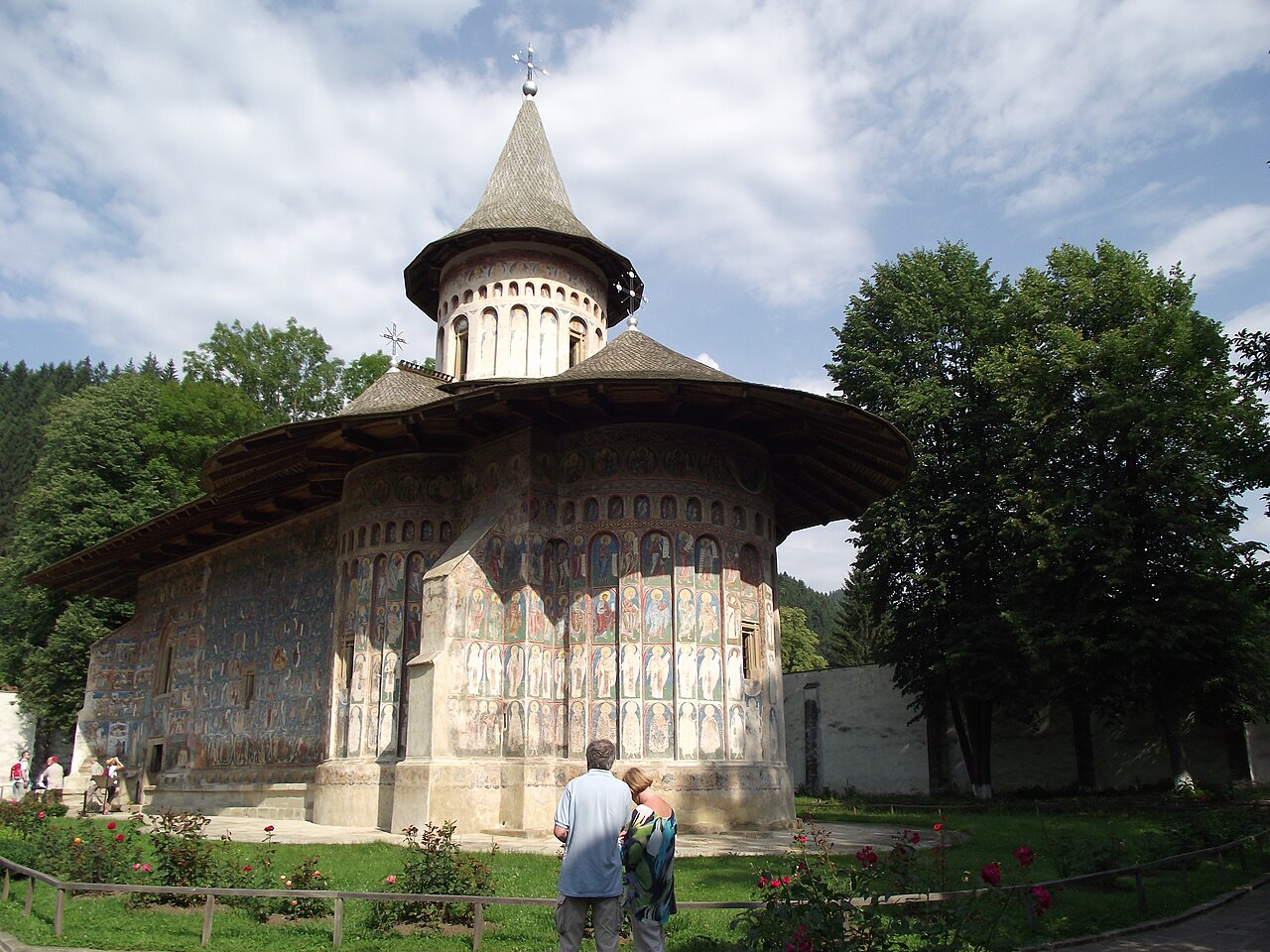
Drive northwest to the Bucovina region, about two and a half to three hours. Base yourselves in Gura Humorului or the village of Vama, both convenient for touring the monasteries. In the afternoon, visit the first one: Voroneț, built in 1488 and the most famous of the painted monasteries. Its entire west wall is a single Last Judgment scene, in a deep shade known as Voroneț blue that has survived for centuries.
Day 4: painted monasteries and a steam train
A full day in Bucovina. Continue to Moldovița Monastery, with its large painting of the siege of Constantinople, and to Sucevița, whose paintings are considered the best preserved. Humor Monastery completes the set of four. Most monasteries are open from about 9 a.m. to 5 p.m., and longer in summer.
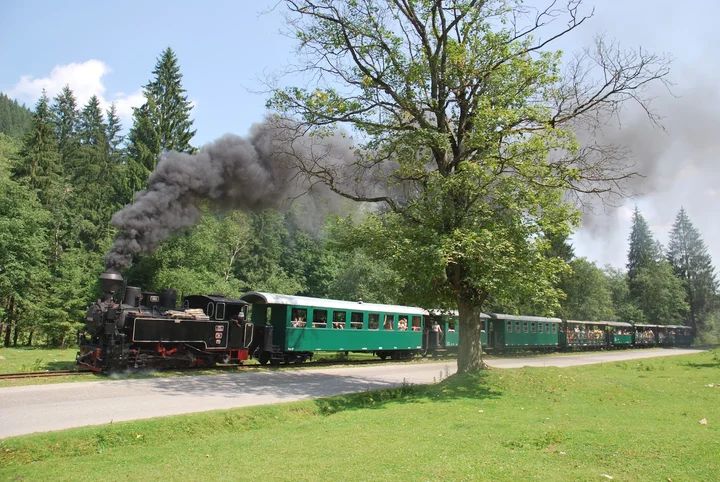
Near Moldovița, the Mocănița Huțulca steam train runs on a narrow-gauge line that has operated since 1888 and once carried timber out of the forest. Today it travels about twelve kilometers through the Moldovița valley. It needs a minimum of ten passengers and runs mainly in season, so arrange your ride ahead through the railway's website.
Day 5: south to the Neamț mountains and the dam
Leave Bucovina and drive south to the Neamț region. On the way, stop at Neamț Citadel (Cetatea Neamțului) near Târgu Neamț, a medieval fortress from the time of Stephen the Great. From there, continue to Izvorul Muntelui, the dam lake also known as Lake Bicaz and the largest artificial lake in Romania. The dam itself is impressive at about 127 meters high, and the lake stretches for tens of kilometers between the mountains. Spend the evening around Piatra Neamț or closer to the mountains.
Day 6: Bicaz Gorges and the Red Lake
This day is saved for the most dramatic scenery on the route. The road through the Bicaz Gorges (Cheile Bicazului) winds between high rock walls, and it's worth stopping, getting out of the car and walking a little. At the end of the gorges lies the Red Lake (Lacul Roșu), a natural lake formed by a landslide. You can't swim in it, but you can take a boat out and see the tree trunks still poking out of the water. Around the lake there are restaurants, parking areas and places to stay. You can spend the night in the area or start heading back toward Iași.

Day 7: back to Iași and the flight home
Drive back to Iași, about two to three hours depending on where you set out from. If there's time before the flight, you can finish your shopping in the city's markets.
A rental car: almost a must here
Public transport in the region is limited, and the sights are spread across villages and mountains. A rental car is the practical way to do this route, and the easiest place to pick it up is Iași airport. The main roads are reasonable, but in the mountains and gorges they're narrow and winding, so take it easy behind the wheel. Fuel is relatively cheap too.
Where to stay
It's better to split your stays by area than to change hotels every night: two to three nights in Iași, two in Bucovina around Gura Humorului or Vama, and one or two in the Neamț area or near the Red Lake. Family-run guesthouses (pensiune) are common in the villages and serve local food at good prices. In high season, book ahead.
Attractions for kids
The route works for kids even without planning it around them. The steam train is almost always a hit, a boat ride on the Red Lake is fun, and the big dam and the citadel look like something out of a storybook. Copou Park and the Palas complex in Iași give them time to burn off energy, and the castles invite games of make-believe. The overall pace is relaxed, with no overloaded days.
Shopping
One of the region's advantages is its prices. In the markets and shops you can find household goods, textiles and local souvenirs cheaply, and sometimes real bargains. Leave a little room in your suitcase.
When to go
Spring and summer are pleasant and green, and they're the best time for the steam train and boat rides. Fall is beautiful for the colors of the forests. In winter, some of the mountain sites are harder to reach. In any season, bring a warm layer for evenings in the mountains.
Want an itinerary built around your own days?
Northern Romania invites a lot of stops, and the real challenge is fitting them into a schedule that matches your pace. The Diretix planner builds an itinerary around your dates, who's traveling and what interests you, with lodging recommendations and an estimated budget, in minutes. You can start for free.
Photo credits
Some of the photos in this article come from Wikimedia Commons, under a Creative Commons license or in the public domain. Sources: Bicaz Gorges landscape, the Palace of Culture in Iași, Sturdza Castle in Miclăușeni, Bicaz Gorges and Voroneț Monastery.
Want this as a real itinerary?
Tell us where and when, and the AI builds a full day-by-day itinerary for you in minutes.
More from the journal
Greece from the sea: 14 days on a yacht in the Cyclades
Crossing America in an RV: a coast-to-coast route with the family, the real prices and everything you need to know